
Meta Description: Feeling overwhelmed by notifications? Discover the science-backed benefits of a digital detox, practical steps to disconnect, and how to find balance in a hyper-connected world.
Category: Wellness & Lifestyle / Technology
Estimated Reading Time: 7 Minutes
In today’s world, silence is the new luxury.
We wake up and immediately reach for our phones to check emails, scroll through Instagram, and catch up on the news. We fall asleep with the blue glow of a screen illuminating our faces. The average person spends over 7 hours a day looking at a screen. But what is all this connectivity doing to our mental health, our relationships, and our ability to focus?
Welcome to the case for the Digital Detox.
The High Cost of Being “Always On”
While technology has given us unprecedented access to information and connection, it has also created a baseline of low-grade anxiety. Every “ping” triggers a release of dopamine, the reward chemical in our brain, conditioning us to check our phones constantly.
Here is what chronic connectivity is costing you:
- Attention Fragmentation: It takes an average of 23 minutes to refocus on a task after a single distraction. Constant notifications keep us in a state of “continuous partial attention.”
- Social Comparison: Scrolling through curated highlight reels of others’ lives can lead to increased feelings of inadequacy and depression.
- Sleep Disruption: The blue light emitted from screens suppresses melatonin production, ruining the quality of your sleep.

What is a Digital Detox?
A digital detox isn’t about throwing your smartphone in the trash and moving to a cabin in the woods (unless you want to!). It is a conscious and intentional period of time during which you reduce or eliminate the use of electronic devices. It’s about shifting from being a passive consumer to an active participant in your own life.
5 Proven Benefits of Unplugging
If you’re on the fence about trying a detox, science has your back. Here is what happens when you step away from the screen:
1. Your Anxiety Levels Drop
Without the constant influx of bad news and social media drama, your nervous system gets a chance to regulate. A study by the University of Pennsylvania found that participants who limited social media to 30 minutes a day showed significant reductions in anxiety and loneliness.
2. Your Relationships Deepen
There is a term called “phubbing”—the act of snubbing someone in favor of your phone. When you remove the device, you make eye contact. You listen without distraction. You remember why you liked spending time with the person in front of you in the first place.
3. Your Focus Sharpens
Your brain is like a muscle. Constant task-switching (aka “multitasking”) fatigues it. A detox allows your brain to enter a state of “monotasking,” where you can actually get into the flow state and produce higher quality work.
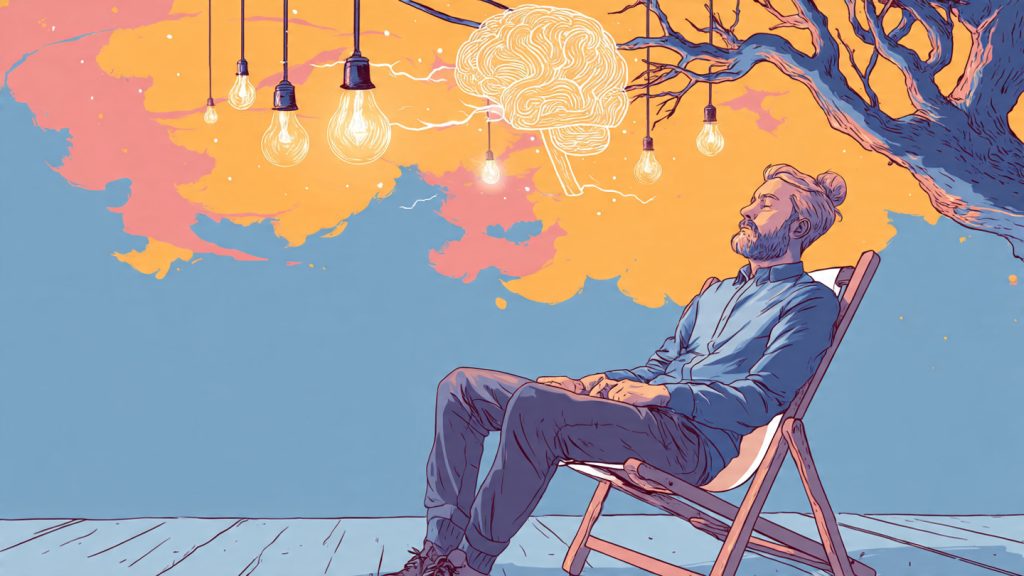
4. You Reclaim Your Boredom
Boredom is actually the birthplace of creativity. When we are bored, our minds wander, we daydream, and we come up with new ideas. When you fill every spare second with a podcast or a TikTok, you kill that creative incubation period.
5. You Sleep Better
Even a 24-hour break from screens can help reset your circadian rhythm, leading to deeper, more restorative sleep.
How to Do a Digital Detox (The Right Way)
The thought of quitting cold turkey can be terrifying. Here is a practical, step-by-step guide to making it work.
Step 1: The 24-Hour “Soft” Start
Don’t aim for a week. Aim for one day. Choose a Saturday.
- The Rules: No social media. No news apps. No email.
- The Exceptions: You may use GPS if driving, a camera to take photos, and music streaming (if it doesn’t lead to scrolling).
Step 2: The Physical Setup
Make it hard to fail. Before your detox begins:
- Turn off all non-essential notifications (keep only calls/texts from family on).
- Move social media apps off your home screen. If you have to search for the app, you are less likely to open it on autopilot.
- Put your phone on “Do Not Disturb” mode.
Step 3: The Replacement Theory
You will have a void of time. If you don’t fill it with something, you will instinctively grab your phone. Have a plan:
- Read a physical book.
- Go for a walk without a podcast.
- Cook a complicated meal.
- Visit a museum or a park.
Step 4: The Comeback (Post-Detox)
Once your detox is over, the goal is integration, not relapse.
- Set Tech-Free Zones: Make the dining table and the bedroom phone-free zones permanently.
- Schedule Your Scroll: Allow yourself 15 minutes of social media in the evening, rather than 15 minutes every hour.
Final Thoughts
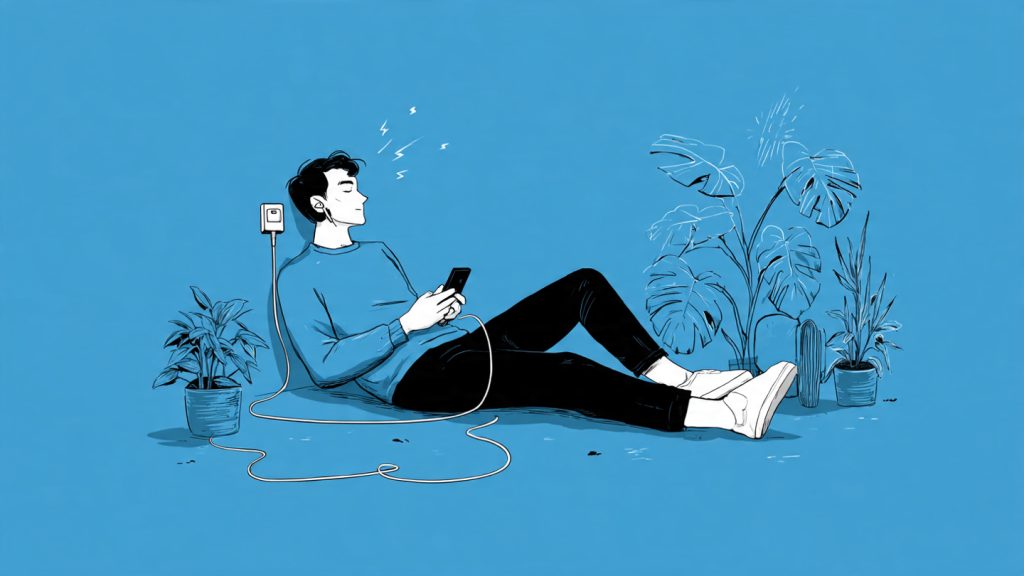
We live in a world that profits from our attention. Tech companies hire thousands of engineers to keep you glued to the screen for “just one more minute.” A digital detox is an act of rebellion. It is you taking back control of your time and your mind.
The world will still be there when you log back on. But you might just see it a little differently.