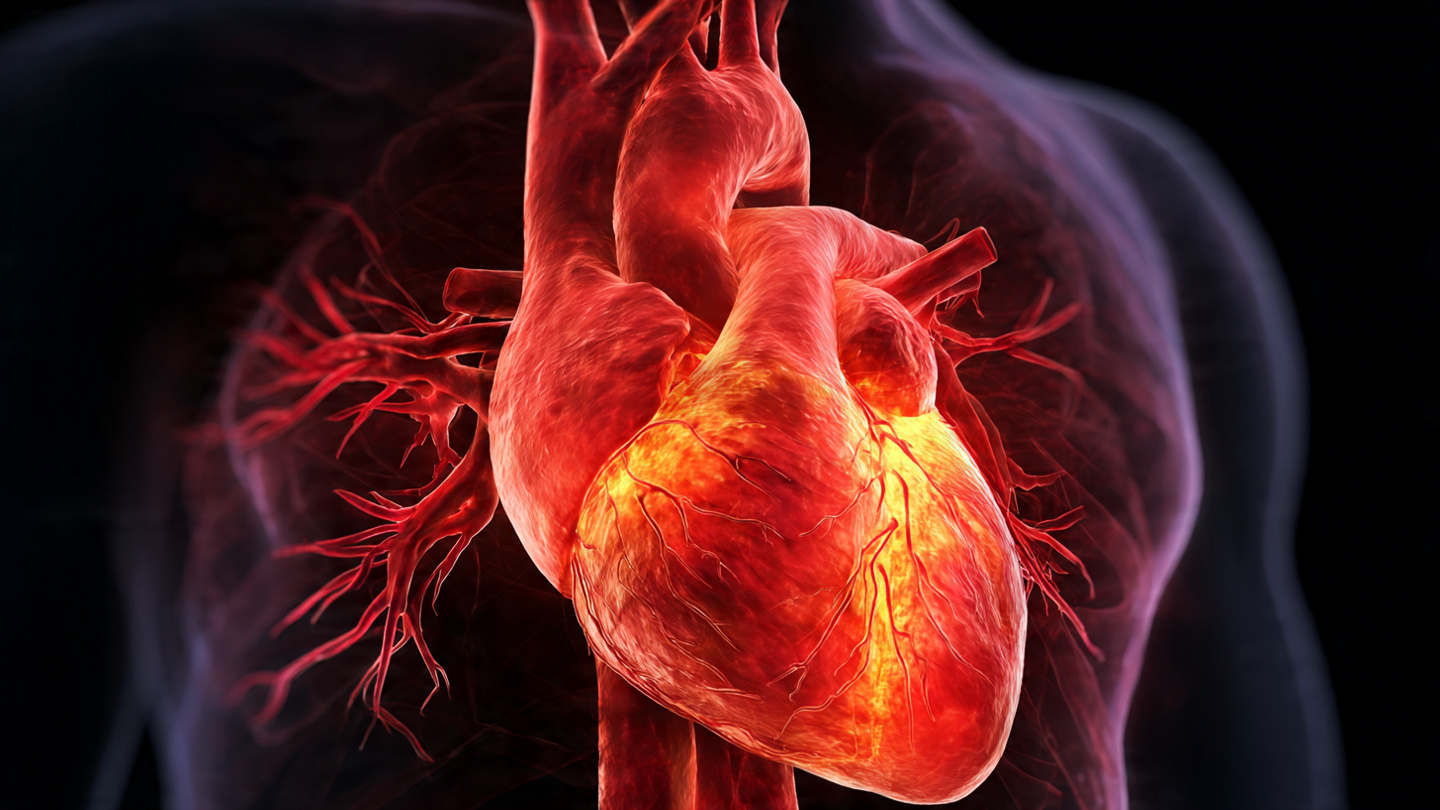
A. General characteristics
- Stable angina pectoris is due to fixed atherosclerotic lesions that narrow the major
coronary arteries. Coronary ischemia is due to an imbalance between blood supply
and oxygen demand, leading to inadequate perfusion. Stable angina occurs when
oxygen demand exceeds available blood supply. - Major risk factors
a. Diabetes mellitus (DM)—worst risk factor
b. Hyperlipidemia—elevated low-density lipoprotein (LDL)
c. Hypertension (HTN)—most common risk factor
d. Cigarette smoking
e. Age (men >45 years; women >55 years)
f. Family history of premature coronary artery disease (CAD) or myocardial
infarction (MI) in first-degree relative: Men <55 years; women <65 years
g. Low levels of high-density lipoprotein (HDL) - Minor risk factors (less clear significance) include obesity, sedentary lifestyle (lack
of physical activity), stress, excess alcohol use. - Prognostic indicators of CAD
a. Left ventricular function (ejection fraction [EF])
• Normal >50%
• If <50%, associated with increased mortality
b. Vessel(s) involved (severity/extent of ischemia)
• Left main coronary artery—poor prognosis because it covers approximately
two-thirds of the heart
• Two- or three-vessel CAD—worse prognosis
B. Clinical features
- Chest pain or substernal pressure sensation
a. Lasts less than 10 to 15 minutes (usually 1 to 5 minutes)
b. Frightening chest discomfort, usually described as heaviness, pressure,
squeezing, tightness; rarely described as sharp or stabbing pain
c. Pain is often gradual in onset - Brought on by factors that increase myocardial oxygen demand, such as exertion
or emotion - Relieved with rest or nitroglycerin
- Note that ischemic pain does NOT change with breathing nor with body position. Also, patients with ischemic pain do not have chest wall tenderness. If any of
these are present, the pain is not likely to be due to ischemia
There Are Two Conditions Termed Syndrome X
- Metabolic Syndrome X
• Any combination of hypercholesterolemia, hypertriglyceridemia, impaired glucose tolerance, diabetes,
hyperuricemia, HTN.
• Key underlying factor is insulin resistance (due to obesity).- Syndrome X
• Exertional angina with normal coronary arteriogram: Patients present with chest pain after exertion but
have no coronary stenoses at cardiac catheterization.
• Exercise testing and nuclear imaging show evidence of myocardial ischemia.
• Prognosis is excellent.
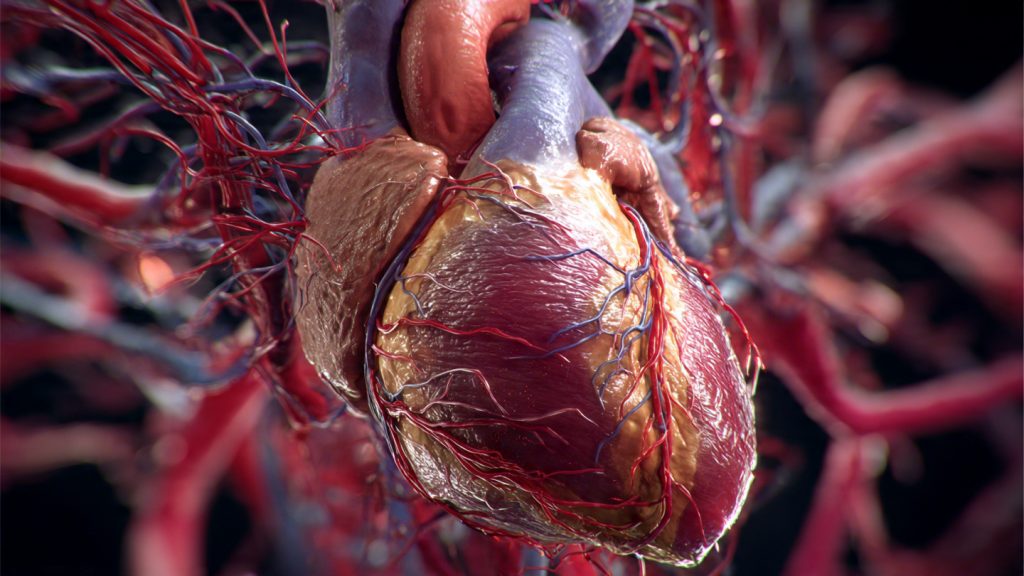
C. Diagnosis (of CAD)
- Note that physical examination in most patients with CAD is normal (see Clinical
Pearl 1-1) - Resting ECG
a. Usually normal in patients with stable angina
b. Q waves are consistent with a prior MI
c. If ST segment or T-wave abnormalities are present during an episode of chest
pain, then treat as unstable angina (USA) - Stress test—useful for patients with an intermediate pretest probability of CAD
based upon age, gender, and symptoms.
a. Stress ECG
• Highest sensitivity if patients have normal resting ECG, such that changes
can be noted.
• Test involves recording ECG before, during, and after exercise on a treadmill.
• 75% sensitive if patients are able to exercise sufficiently to increase heart rate
to 85% of maximum predicted value for age. A person’s maximum heart rate
is calculated by subtracting age from 220 (220—age).
• Exercise-induced ischemia results in subendocardial ischemia, producing ST
segment depression. So the detection of ischemia on an ECG stress test is
based on presence of ST segment depression.
• Other positive findings include onset of heart failure or ventricular arrhythmia during exercise or hypotension.
• Patients with a positive stress test result should undergo cardiac catheterization.
b. Stress echocardiography
• Performed before and immediately after exercise. Exercise-induced ischemia
is evidenced by wall motion abnormalities (e.g., akinesis or dyskinesis) not
present at rest.
• Favored by many cardiologists over stress ECG. It is more sensitive in detecting ischemia, can assess LV size and function, can diagnose valvular disease,
and can be used to identify CAD in the presence of pre-existing ECG abnormalities (see Clinical Pearl 1-2). - • Again, patients with a positive test result should undergo cardiac catheterization.
- c. Information gained from a stress test can be enhanced by stress myocardial perfusion imaging after IV administration of a radioisotope such as thallium 201
- during exercise.
- • Viable myocardial cells extract the radioisotope from the blood. No radioisotope uptake means no blood flow to an area of the myocardium.
- • It is important to determine whether the ischemia is reversible, that is, whether
- areas of hypoperfusion are perfused over time as blood flow eventually equalizes. Areas of reversible ischemia may be rescued with percutaneous coronary
- intervention (PCI) or coronary artery bypass graft (CABG). Irreversible ischemia, however, indicates infarcted tissue that cannot be salvaged.
- • Perfusion imaging increases the sensitivity and specificity of exercise stress
- tests, but is also more expensive, subjects the patient to radiation, and is
- often not helpful in the presence of a left bundle branch block.
- If the patient cannot exercise, perform a pharmacologic stress test.
a. IV adenosine, dipyridamole, or dobutamine can be used. The cardiac stress
induced by these agents takes the place of exercise. This can be combined with
an ECG, an echocardiogram, or nuclear perfusion imaging.
b. IV adenosine and dipyridamole cause generalized coronary vasodilation. Since
diseased coronary arteries are already maximally dilated at rest to increase
blood flow, they receive relatively less blood flow when the entire coronary system is pharmacologically vasodilated.
c. Dobutamine increases myocardial oxygen demand by increasing heart rate,
blood pressure, and cardiac contractility. - Holter monitoring (ambulatory ECG) can be useful in detecting silent ischemia
(i.e., ECG changes not accompanied by symptoms). The Holter monitor is also
used for evaluating arrhythmias, heart rate variability, and to assess pacemaker and
implantable cardioverter-defibrillator (ICD) function.
a. Continuously examines patient’s cardiac rhythm over 24 to 72 hours during
normal activity
b. Useful for evaluating unexplained syncope and dizziness as well - Cardiac catheterization with coronary angiography (see Clinical Pearl 1-3, Figure 1-1)
a. Coronary angiography—definitive test for CAD. Often performed with concurrent PCI or for patients being considered for revascularization with CABG.
Cardiac Catheterization
- Most accurate method of determining a specific cardiac diagnosis.
- Provides information on hemodynamics, intracardiac pressure measurements, cardiac output, oxygen
saturation, etc.- Coronary angiography (see below) is almost always performed as well for visualization of coronary arteries.
- There are many indications for cardiac catheterization (generally performed when revascularization or other
surgical intervention is being considered):
• After a positive stress test.
• Acute MI with intent of performing angiogram and PCI.
• In a patient with angina in any of the following situations: When noninvasive tests are nondiagnostic,
angina that occurs despite medical therapy, angina that occurs soon after MI, and any angina that is a
diagnostic dilemma.
• If patient is severely symptomatic and urgent diagnosis and management are necessary.
• For evaluation of valvular disease, and to determine the need for surgical intervention.
Coronary Arteriography (Angiography)- Most accurate method of identifying the presence and severity of CAD; the standard test for delineating
coronary anatomy.- Main purpose is to identify patients with severe coronary disease to determine whether revascularization
is needed. Revascularization with PCI involving a balloon and/or a stent can be performed at the same time
as the diagnostic procedure.- Coronary stenosis >70% may be significant (i.e., it can produce angina).
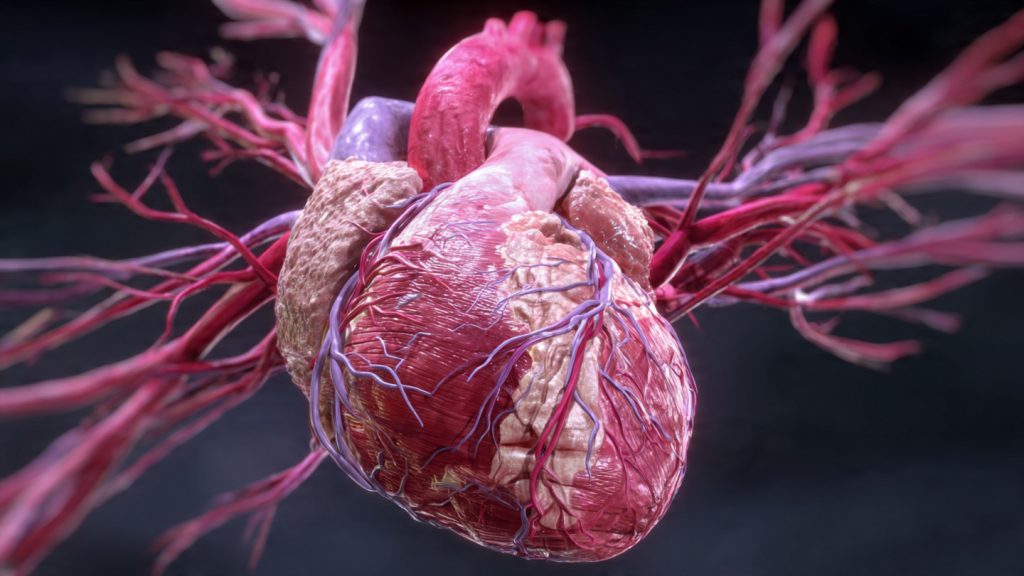
b. Contrast is injected into coronary vessels to visualize any stenotic lesions. This
defines the location and extent of coronary disease.
c. Angiography is the most accurate test for detecting CAD.
d. If CAD is severe (e.g., left main or three-vessel disease), refer patient for surgical
revascularization (CABG).
D. Treatment
Medical therapy
a. Aspirin
• Indicated in all patients with CAD
• Decreases morbidity—reduces risk of MI
b. β-Blockers—block sympathetic stimulation of heart. First-line choices include
atenolol and metoprolol.
• Reduce HR, BP, and contractility, thereby decreasing cardiac work (i.e.,
β-blockers lower myocardial oxygen consumption)
• Have been shown to reduce the frequency of coronary events
c. Nitrates—cause generalized vasodilation
• Relieve angina; reduce preload myocardial oxygen demand
• May prevent angina when taken before exertion
Risk factor modification
a. Smoking cessation cuts coronary heart disease (CHD) risk in half by 1 year
after quitting.
b. HTN—vigorous BP control reduces the risk of CHD, especially in diabetic
patients.
c. Hyperlipidemia—reduction in serum cholesterol with lifestyle modifications
and HMG-CoA reductase inhibitors (statins) reduce CHD risk.
d. DM—type II diabetes is considered to be a cardiovascular heart disease equivalent, and strict glycemic control should be strongly emphasized.
e. Obesity—weight loss modifies other risk factors (diabetes, HTN, and hyperlipidemia) and provides other health benefits.
f. Exercise is critical; it minimizes emotional stress, promotes weight loss, and
helps reduce other risk factors.
g. Diet: Reduce intake of saturated fat (<7% total calories) and cholesterol (<200 mg/
day).
• Effect on prognosis is unknown; main benefit is symptomatic relief
• Can be administered orally, sublingually, transdermally, intravenously, or in
paste form. For chronic angina, oral or transdermal patches are used. For
acute coronary syndromes (see below), either sublingual, paste, or IV forms
are used
d. Calcium channel blockers
• Cause coronary vasodilation and afterload reduction, in addition to reducing
contractility.
• Now considered a secondary treatment when β-blockers and/or nitrates are
not fully effective. None of the calcium channel blockers have been shown
to lower mortality in CAD. In fact, they may increase mortality because they
raise heart rates. Do not routinely use these drugs in CAD.
e. If congestive heart failure (CHF) is also present, treatment with ACE inhibitors
and/or diuretics may be indicated as well.
- Revascularization
a. May be preferred for high-risk patients, although there is some controversy
whether revascularization is superior to medical management for a patient with
stable angina and stenosis >70%
b. Two methods—PCI and CABG—see Clinical Pearl 1-4
c. Revascularization does not reduce incidence of MI, but does result in significant improvement in symptoms - Management decisions (general guidelines)—risk factor modification and aspirin
are indicated in all patients. Manage patients according to overall risk
a. Mild disease (normal EF, mild angina, single-vessel disease)
• Nitrates (for symptoms and as prophylaxis) and a β-blocker are appropriate
• Consider calcium channel blockers if symptoms continue despite nitrates and
β-blockers
b. Moderate disease (normal EF, moderate angina, two-vessel disease)
• If the above regimen does not control symptoms, consider coronary angiography to assess suitability for revascularization (either PCI or CABG)
c. Severe disease (decreased EF, severe angina, and three-vessel/left main or left
anterior descending disease)
• Coronary angiography and consider for CABG
Percutaneous Coronary Intervention
• Consists of both coronary angioplasty with a balloon and stenting.
• Should be considered in patients with one-, two-, or three-vessel disease. Even with three-vessel
disease, mortality and freedom from MI have been shown to be equivalent between PTCA with stenting
and CABG. The only drawback is the higher frequency of revascularization procedures in patients who
received a stent.
• Best if used for proximal lesions.
• Restenosis is a significant problem (up to 40% within first 6 months); however, if there is no evidence of
restenosis at 6 months, it usually does not occur. New techniques and technologic improvements such as
drug-eluting stents are attempting to reduce this problem.
Coronary Artery Bypass Grafting
• While CABG remains the standard of care at some institutions for patients with high-risk disease, the
PRECOMBAT and SYNTAX trails have shown that PTCA with stenting may be as good as CABG even in
patients with left main CAD. CABG is still used as the primary method of revascularization in a small number of patients with STEMI. In addition, it may be indicated in patients with cardiogenic shock post-MI, after
complications with PCI, in the setting of ventricular arrhythmias, and with mechanical complications after
acute MI.
• Main indications for CABG: Three-vessel disease with >70% stenosis in each vessel. Left main coronary
disease with >50% stenosis, left ventricular dysfunction.